Wine pairings at Bangkok’s MICHELIN restaurants
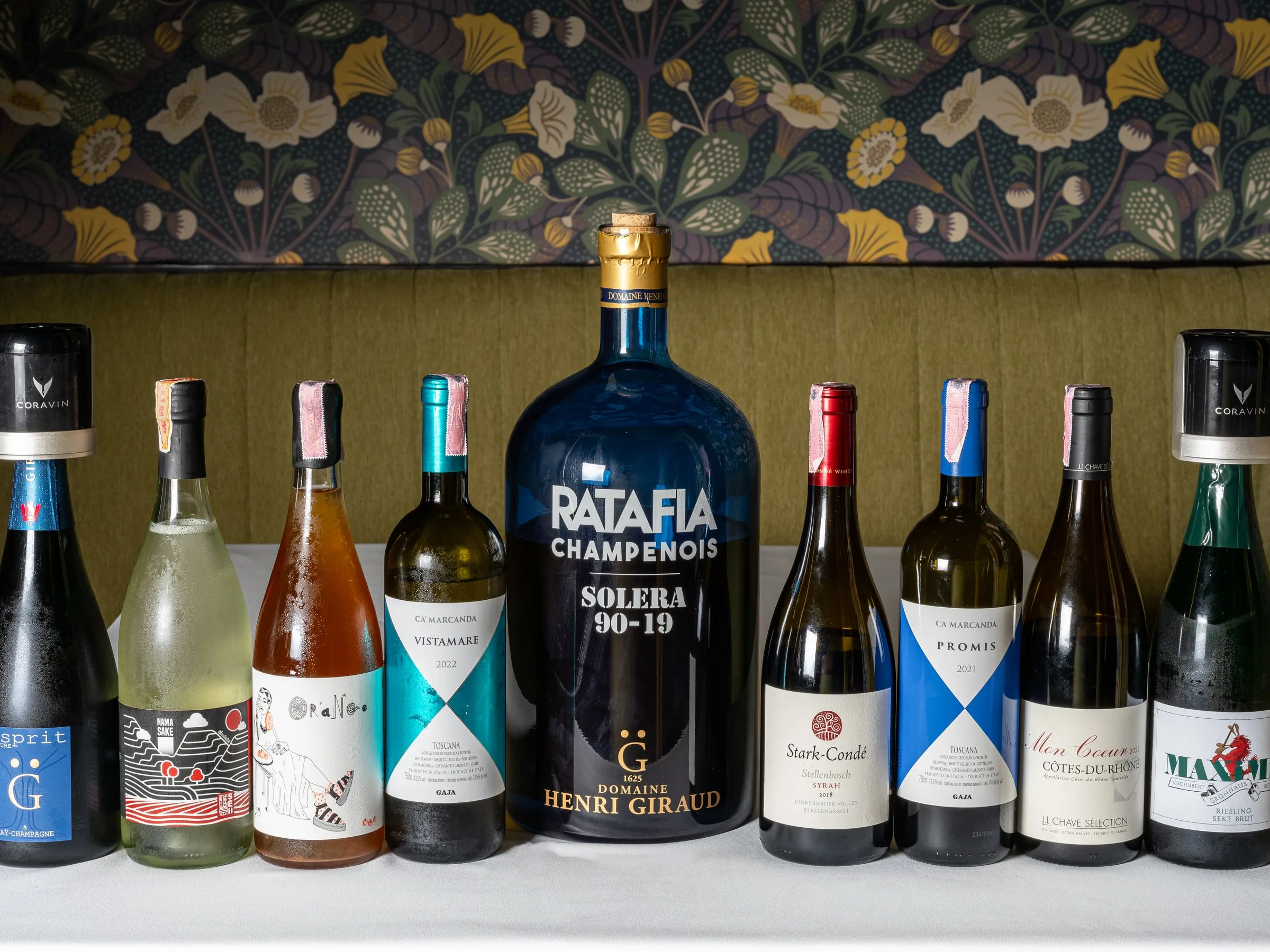
Most of Bangkok’s starred kitchens offer a wine pairing built to follow the tasting menu course by course, priced separately from the food.
Mia offers a wine pairing at THB 3,650++ alongside Taste of Mia at dinner, and a shorter THB 1,950++ pairing alongside the weekend lunch set.
Côte by Mauro Colagreco prices its wine pairing by menu: THB 3,500++ for five glasses with the Escapade lunch, and THB 5,000++ for eight glasses with the Carte Blanche.
Sühring structures its pairing in three tiers, Prestige, Discovery and Botanic, each offered at 5 or 6 glasses, ranging from THB 3,800 to THB 9,800 depending on tier and glass count.
Anne-Sophie Pic at Le Normandie’s Voyage menu offers three pairing tiers: Prestige, a full wine pairing, at THB 11,000; and Inspiration, a mixed pairing highlighting curated alcoholic pairings, at THB 6,000 with two non-alcoholic steps or THB 6,500 as a full alcoholic pairing. Guests can also upgrade the first glass of any pairing to Krug NV Grande Cuvée for an additional THB 2,300++.
Gaa offers a wine pairing alongside its tasting menu, built by its sommelier team to follow the courses; the restaurant does not publish a fixed price for it, and it is confirmed at the time of booking or on arrival.
INDDEE structures its beverage programme into five named formats spanning ten courses each, run by Head Sommelier Thanakorn “Jay” Bottorff, the first Thai recipient of the MICHELIN Sommelier Award, awarded in 2024: Wine Experience at THB 4,700++, Beverage Experience (wine, sake and umeshu) at THB 4,200++, Best of Both at THB 3,500++, and a shorter Flexi Experience starting at THB 1,960++ for a minimum of four glasses, with additional glasses at THB 490++ each.
Is a wine pairing worth it, and how should you approach it?
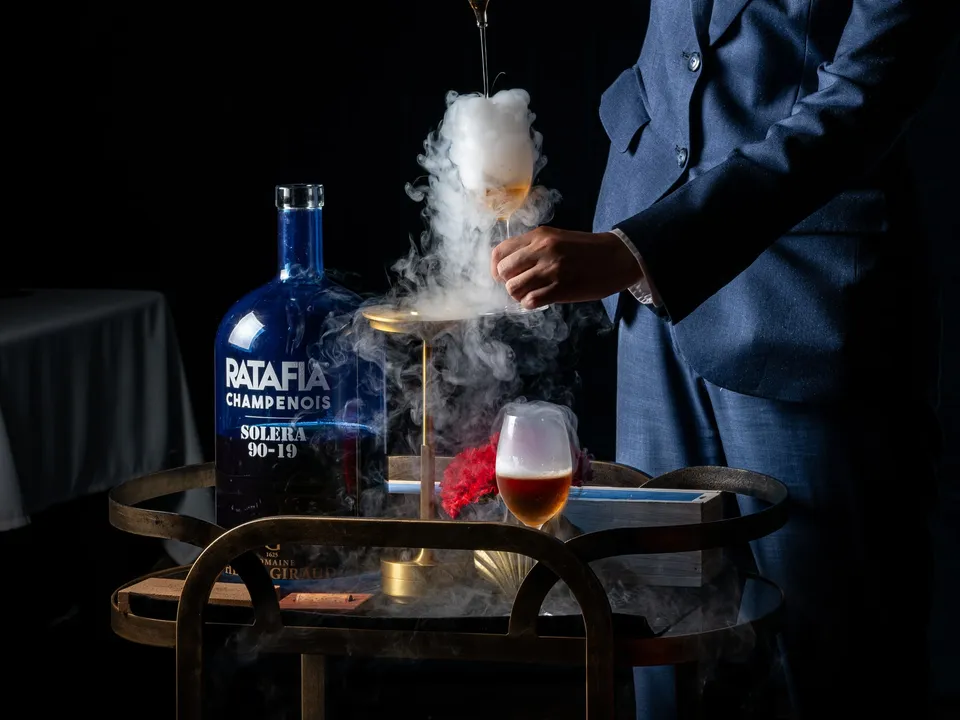
Yes, if the menu moves through very different registers, savoury to sweet, delicate to rich, a pairing changes glass by glass to match, which a single bottle can’t do. The trade-off: it’s priced and poured as a set, with little room to swap a glass you don’t like. Ask the sommelier team what’s actually in it before booking, especially where there’s no published price, and say upfront if there’s a style you’d rather skip; most teams will adjust one course rather than argue the whole sequence.
Two Bangkok restaurants build that pairing very differently.
Mia runs its list through the Mia Wine Initiative: every bottle is proposed by a member of the senior team, tasted, discussed, and added only once the team agrees on it unanimously, marked on the list with a butterfly. The pairing reflects a shared decision, not one sommelier’s palate.
INDDEE offers five distinct named formats instead of one fixed pairing, so a guest picks how much of the meal they want to spend on beverages, from a full ten-course Wine Experience to a shorter Flexi Experience with room to opt in and out.
Non-alcoholic pairings at Bangkok’s MICHELIN restaurants
Not all non-alcoholic pairings are the same thing. At many restaurants, asking for a non-alcoholic option produces a short list of juices or sparkling water assembled on request. A smaller number of Bangkok’s starred kitchens have built a non-alcoholic programme with the same course-by-course intention as their wine list.
Mia’s non-alcoholic pairing, at THB 2,450++, is built the same way the kitchen builds a dish: through fermentation, infusion, tea, fruit, spice and clarification, not juice and soda standing in for wine. Some drinks are layered and visual, built in stages the way a cocktail is constructed rather than poured straight; others use techniques like clarification to keep a fruit or tea pairing textured but clean on the palate. The pairing runs across all three of the restaurant’s tasting menus, the standard Taste of Mia, the vegetarian menu, and the vegan menu. The team’s own description of the approach: complexity does not require alcohol.
Gaa runs what its official site describes as a “thoughtfully curated homemade non-alcoholic beverage pairing,” made in-house rather than sourced externally, drawing on the same Indian culinary roots as Chef Garima Arora’s cooking.
INDDEE’s beverage menu names its non-alcoholic option formally as the “Zero Alcohol Experience,” a ten-course format at THB 2,600++, listed alongside its alcoholic pairing formats rather than offered as a fallback.
Anne-Sophie Pic at Le Normandie builds its non-alcoholic pairing dish by dish: roasted green tea with kombu cordial and sakura leaves alongside the Hokkaido sea urchin, oolong and chamomile alongside Les Berlingots. The restaurant’s Creative Beverage Menu is offered in both alcoholic and non-alcoholic versions, each composed to the same standard.
Corkage: can you bring your own bottle?
Several of Bangkok’s starred restaurants allow guests to bring their own wine for a corkage fee, and a specific mechanism shows up repeatedly across the ones with a published policy: the fee is waived if a bottle is also bought from the restaurant’s own list, effectively a buy-one-get-one structure for the bottle you bring in.
Mia charges THB 1,500 in corkage per bottle brought, waived if a bottle is also purchased from the restaurant’s own wine list.
Gaa charges THB 3,000++ per bottle, on the same condition: the fee is waived when a bottle is purchased from its cellar.
Coda charges THB 2,000++ per bottle, waived under the same one-for-one principle.
Sorn runs a stricter version of the same idea: its official policy is a 1-for-1 reciprocal requirement, with no simple flat fee. For every personal bottle opened at the table, a corresponding bottle must be purchased from Sorn’s own list, and the requirement scales with however many outside bottles are brought.
Across the restaurants with a published corkage policy, bringing your own bottle for free isn’t really the norm in Bangkok’s starred dining rooms; buying one from the house alongside it is.